
Kuala Lumpur North Area Guide
Kepong Property Area Guide: Connectivity, Lifestyle and Buyer Considerations
A mature and varied northern Kuala Lumpur area where micro-location matters as much as the Kepong name.

Kepong offers established commercial life, food, family services and a wide mix of housing, with access to the MRT Putrajaya Line, KTM and major roads depending on the exact neighbourhood. Its scale is both a strength and a risk: buyers have more choice, but two properties carrying the Kepong label can produce very different commutes, streetscapes and long-term competition.
Key Insight
Kepong’s value lies in mature urban choice, but the size and variety of the area make micro-location analysis essential.
Article Introduction
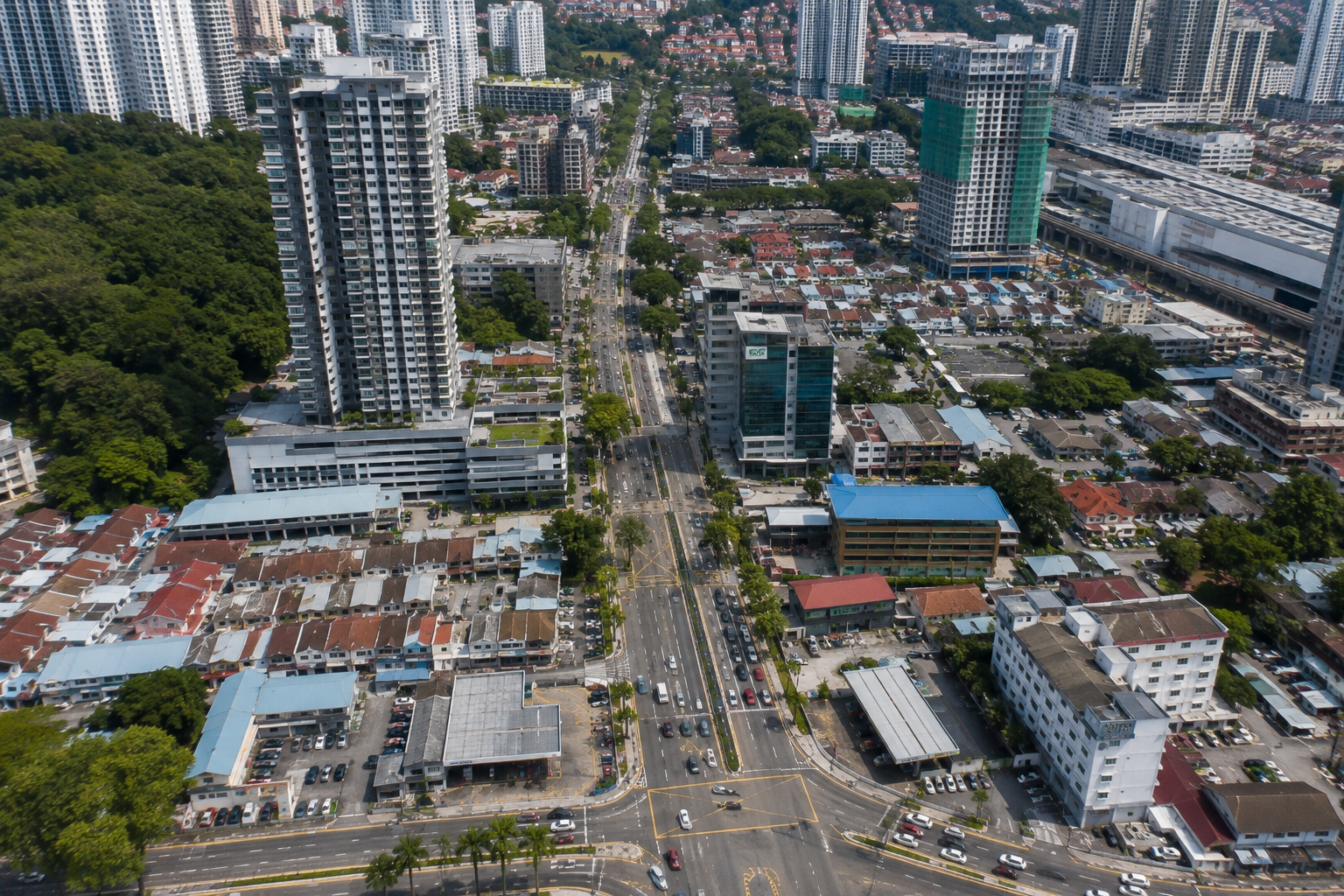
Kepong should be understood as a collection of neighbourhoods rather than a single uniform property market. Metro Prima, Kepong Baru, Jinjang, Kepong Sentral, Bandar Menjalara and other nearby pockets each have different stations, road access, housing stock and daily character. A buyer who asks only whether “Kepong is good” is asking too broad a question.
The area’s strongest general qualities are maturity, variety and northern Kuala Lumpur connectivity. Its main complications are traffic, inconsistent pedestrian conditions, active commercial streets and competition among older and newer homes. The right property can be practical; the wrong micro-location can turn a short map distance into a difficult week.
Quick Answer
| Buyer question | Practical answer |
|---|---|
| Where is Kepong? | It is a broad northern Kuala Lumpur area connected to Segambut, Selayang, Sungai Buloh and surrounding northern corridors. |
| What public transport is available? | MRT Putrajaya Line stations serve parts of Kepong, while KTM stations serve other corridors; access depends on the exact property. |
| Is Kepong mature? | Yes, many neighbourhoods have established food, retail and services, but quality and walkability vary. |
| Is it suitable for families? | Potentially, especially when school, childcare, healthcare and work routes fit the selected pocket. |
| Main property risk? | Buyers may overgeneralise the area and underestimate congestion, density, building management and competing supply. |
Where Kepong Sits Within Kuala Lumpur
Kepong lies in northern Kuala Lumpur and forms part of a larger urban system extending toward Selayang, Sungai Buloh, Segambut and the city’s northern edge. DBKL’s Kuala Lumpur Structure Plan 2040 places Kepong within the capital’s wider land-use, transport and environmental framework. Buyers comparing Kepong with nearby northern submarkets can also use the Mont Kiara & KL North Property Reviews hub for a broader area-level comparison.
The area is not one compact town centre. Its residential and commercial activity spreads along several corridors, particularly around Jalan Kepong and connecting roads. This makes Kepong useful for households whose work, family and routine destinations sit in northern or central Kuala Lumpur, but less straightforward for someone crossing the Klang Valley every day.
Before comparing properties, name the exact neighbourhood, nearest main road and nearest usable station. That prevents an attractive “Kepong” label from hiding a poor first or last mile.
Area Character and Daily Environment
Kepong has a mature, lived-in character. Many parts contain established shops, markets, restaurants, services and long-standing residential communities. This can reduce dependence on future placemaking because everyday activity already exists.
Maturity does not mean uniformity. Some streets are busy commercial corridors with parking and traffic pressure; others are quieter residential pockets. Older buildings may offer larger layouts or established management records, while newer developments may provide modern facilities, security and rail-led positioning.
Buyers should decide which environment they actually want. Someone who values food choice and local activity may accept a busier street. Someone prioritising quiet, greenery or a premium streetscape may need a more selective micro-location.
MRT Putrajaya Line Access
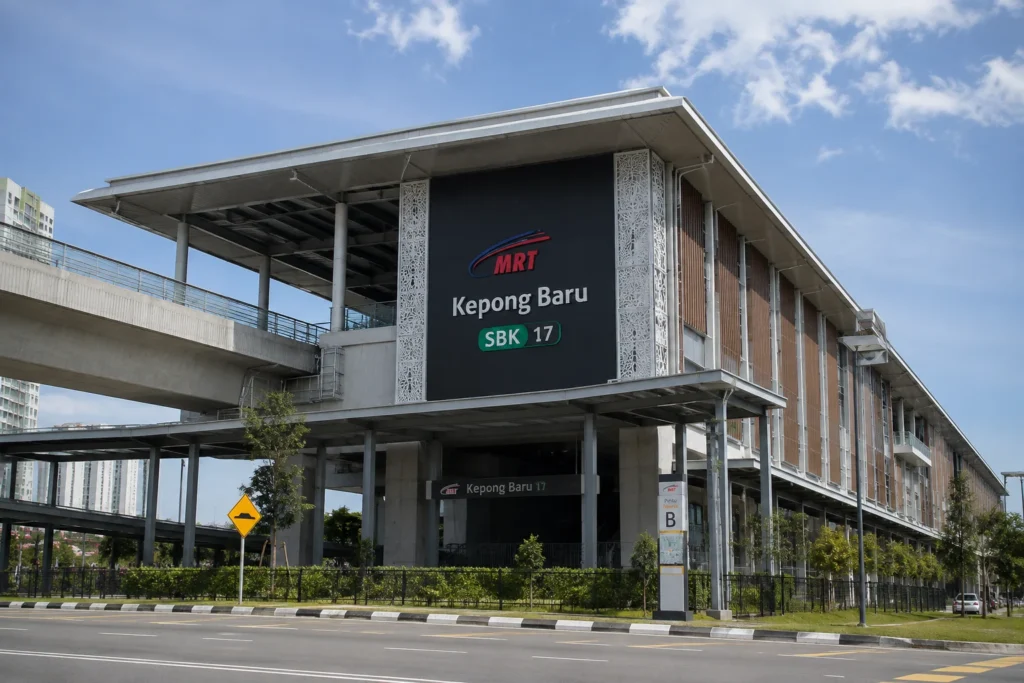
The MRT Putrajaya Line materially broadened rail access in the Kepong corridor. Official MRT Corp information lists Metro Prima, Kepong Baru and Jinjang among the northern Kuala Lumpur stations, with Sri Delima and Kampung Batu continuing toward the city.
The presence of several stations does not mean every Kepong home is walkable to MRT. Some properties may require a feeder bus, e-hailing or driving. Buyers should measure the actual route, crossings, shelter, gradient, lighting and last-train timing.
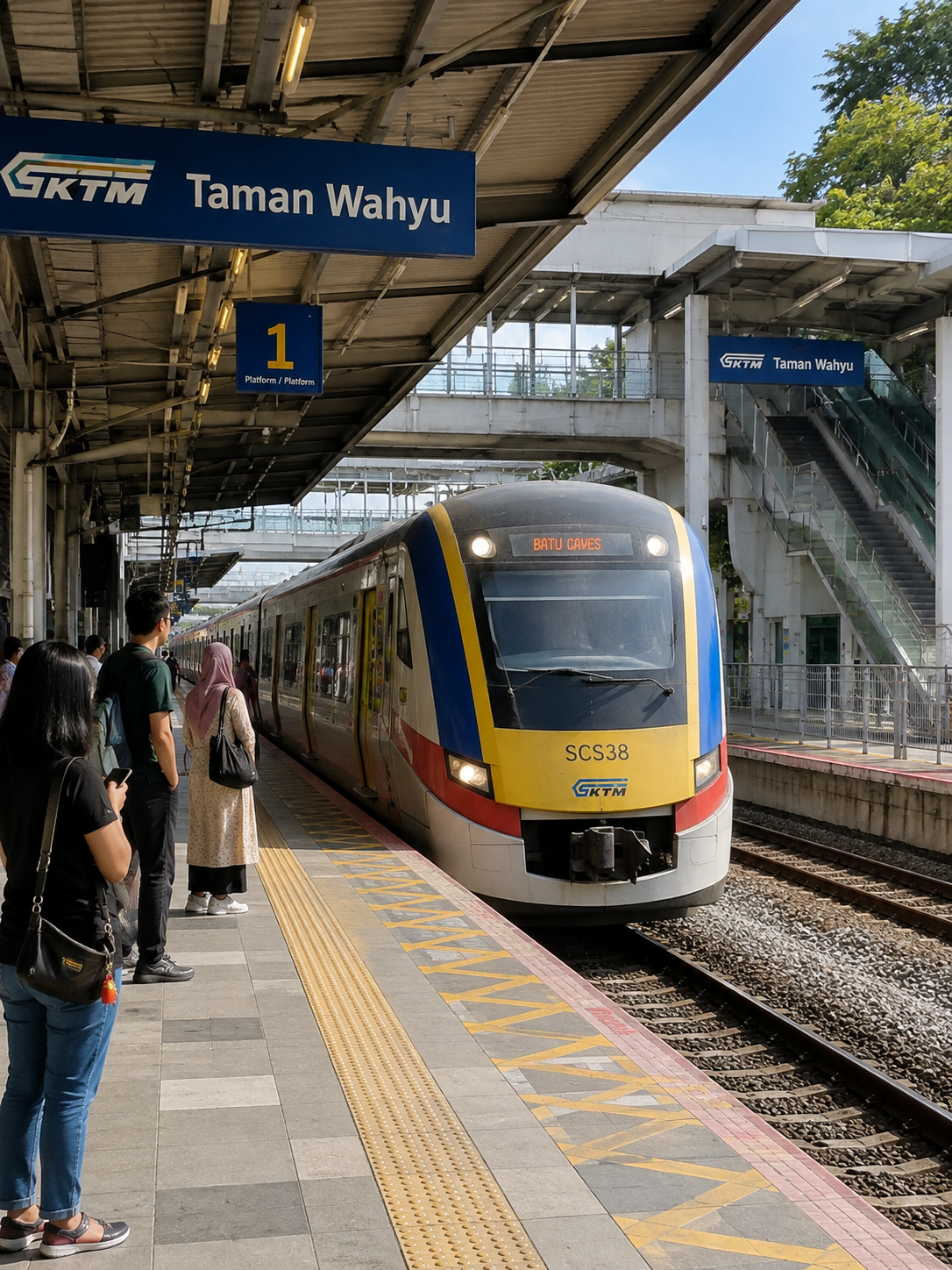
For buyers comparing rail-oriented homes around the Taman Wahyu–Kepong corridor, the Hanya Wahyu Review 2026 examines a project positioned beside KTM Taman Wahyu, including its layouts, connectivity, buyer fit and key trade-offs.
The Putrajaya Line can be relevant for journeys toward central Kuala Lumpur, TRX and southern destinations on the line. The value still depends on the buyer’s exact workplace and interchange needs. A station on the right line is more useful than a closer station requiring an inefficient route.
KTM and Wider Rail Context
KTM services also form part of Kepong’s transport picture through stations serving the wider corridor, including Kepong and Kepong Sentral. KTM can be useful for longer suburban journeys and selected central connections, but its network role and frequency differ from MRT.
Check the current KTMB timetable rather than relying on a general claim of railway access. Construction and operating adjustments can affect service patterns, and a station that works for one schedule may not work for another.
Some buyers may have a meaningful choice between MRT and KTM; others will realistically use only one. Compare total door-to-door time, not the number of rail systems shown in an area brochure.
Road Connectivity and Congestion
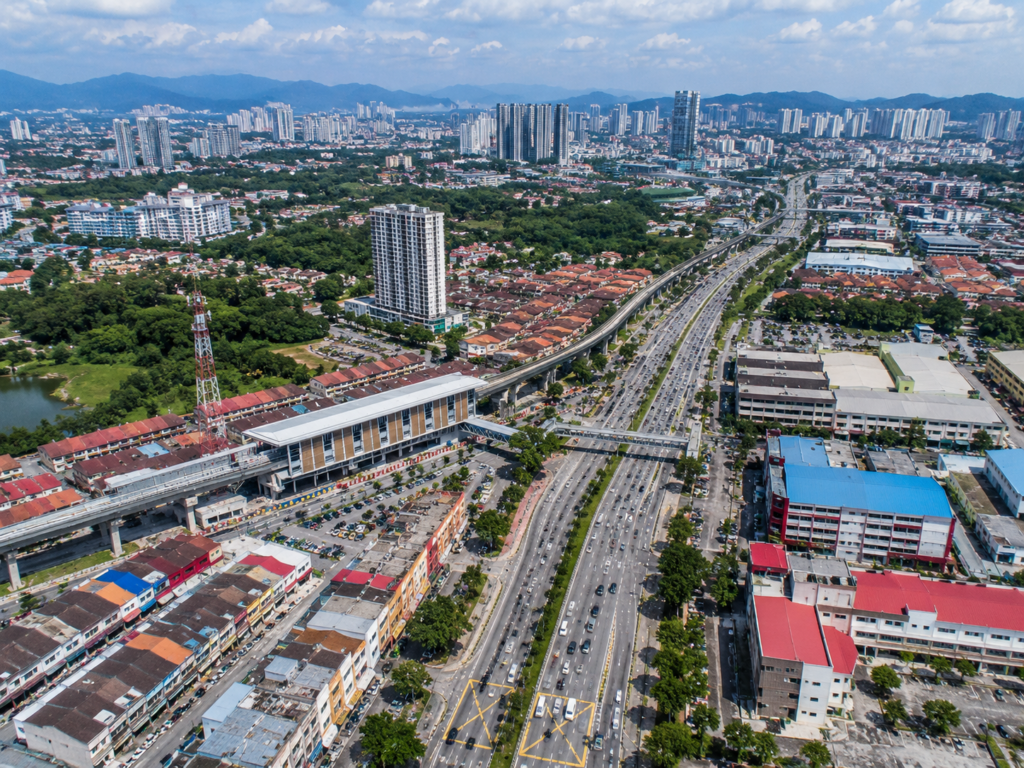
Jalan Kepong and MRR2 are important movement corridors, with connections toward Selayang, Sungai Buloh, Segambut, Mont Kiara and other parts of Kuala Lumpur depending on the route. Multiple access options can help households whose destinations are spread across the north and west of the Klang Valley.
The trade-off is congestion. Established commercial activity, school traffic, junctions and construction can create delays. A property near a major road may still require a slow local exit, while a quieter pocket may add distance before reaching the main network.
Test weekday morning and evening journeys from the actual site. Include car-park exit time and the local junction. Weekend checks also matter because food and retail activity can change traffic patterns.
Amenities, Food and Lifestyle
Kepong is widely associated with a strong local food and commercial environment. Established neighbourhood centres can provide groceries, restaurants, household services, clinics and routine shopping. Larger retail and recreation choices exist across the wider northern Kuala Lumpur catchment.
Buyers should avoid turning that general strength into an unsupported promise of walkability. A favourite restaurant or supermarket may be several kilometres away across busy roads. Map the five places the household will visit most frequently and test each journey.
Lifestyle also includes parks, exercise, community and nighttime comfort. Taman Metropolitan Kepong is a recognised green feature in the city’s planning context, but access and relevance vary by home. Inspect the route, parking and realistic frequency of use.
Schools and Family Convenience
Kepong’s mature population supports a range of education and childcare options across the wider area. However, school choice depends on admissions, language, fees and exact location. A broad list of nearby schools cannot confirm family suitability.
Parents should test the school run during actual hours, including the return journey and childcare handoff. Public transport may help older students, but young families often remain dependent on driving.
Family buyers should also map clinics, hospitals, groceries, parks and support networks. An extra bedroom may add less value than reducing two difficult daily journeys.

Housing and New-Development Context
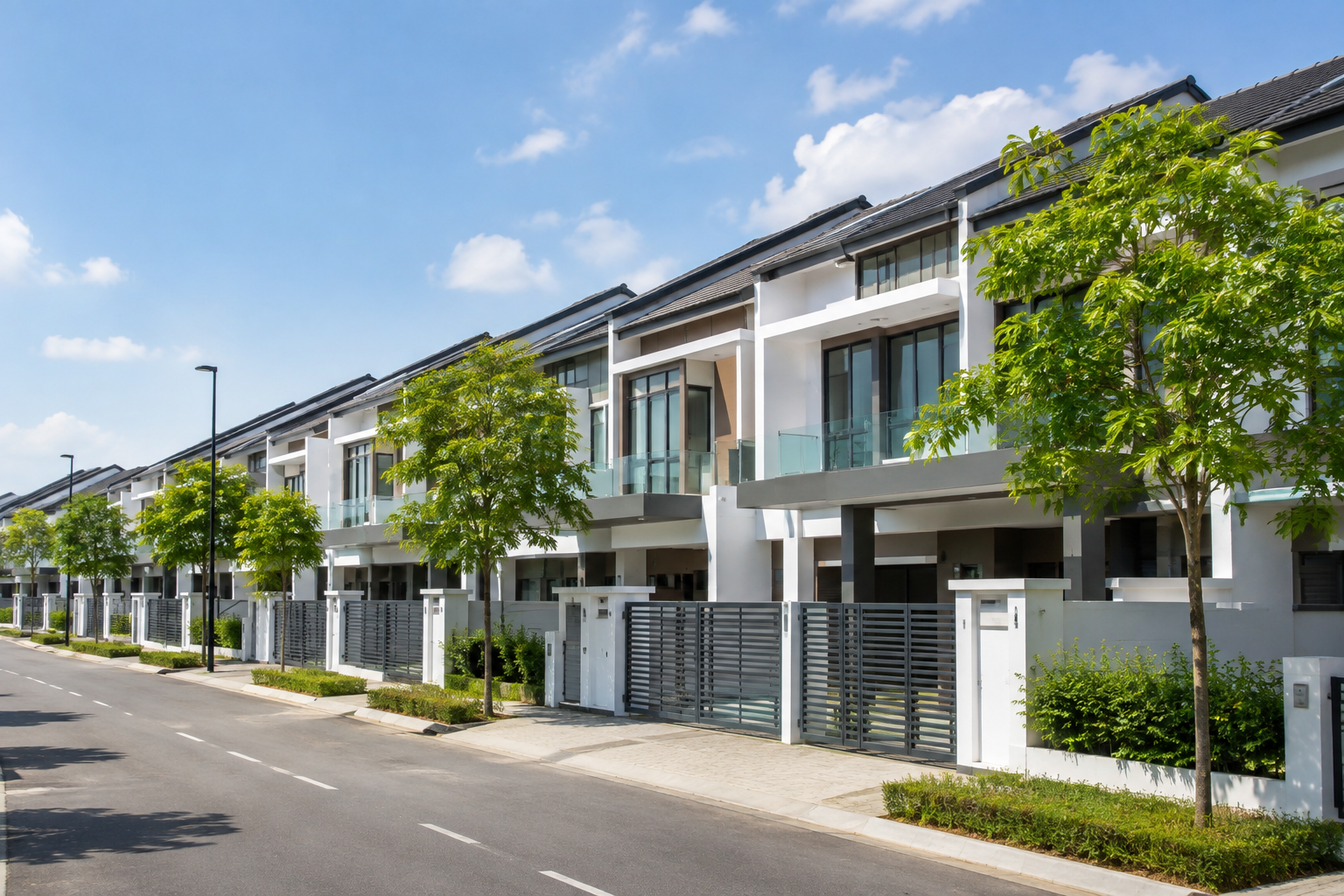
Kepong contains landed homes, older apartments, completed condominiums, serviced apartments and newer high-rise projects. This variety supports different budgets and household sizes without requiring one universal property type.
Older properties may offer established communities, mature surroundings and visible management records, but can require renovation and closer building-condition review. Newer properties may offer facilities, security and rail-related positioning, yet buyers must assess density, lift provision, maintenance and future supply.
Do not turn this guide into a project list. The useful comparison is between housing formats serving the same routine. Evaluate title, age, usable layout, parking, management, total cost and resale competition.
First-Home and Own-Stay Considerations
First-time buyers may value Kepong’s transport choice and mature daily environment. The main discipline is affordability beyond the purchase price. Include loan commitment, maintenance, sinking fund, insurance, assessment, parcel rent where applicable, parking and furnishing.
For own stay, prioritise unit efficiency, noise, natural light, privacy, lift experience and routes to work and family. A mature area can make daily life easier, but a poorly managed development can offset the location advantage.
Choose a home that can support likely changes for several years. A compact unit close to MRT may suit a single professional, while a family may need storage, parking and flexible rooms more than a shorter station walk.
Investment and Rental Considerations
Kepong’s population, transport and commercial activity may create rental relevance, but no area name guarantees rent or occupancy. Tenant demand is micro-location and product specific. A renter working near the MRT line may value station access; a family may value schools, parking and unit size.
Competition is a major issue. Older apartments, completed condominiums and new launches can target overlapping tenant groups. Investors should compare achievable rent, maintenance, furnishing, vacancy, unit density and competing listings at the intended completion period.
Resale liquidity also depends on the next buyer. A well-located but overly specialised unit can still have a narrow market. Use conservative assumptions and treat appreciation as uncertain.

Strengths, Weaknesses and Buyer Fit
Kepong’s strengths are maturity, food and service depth, several transport corridors, varied housing and access to northern Kuala Lumpur. Its weaknesses can include congestion, busy streets, uneven pedestrian conditions, density and inconsistent building quality.
It may suit first-time buyers, families with northern Kuala Lumpur routines, MRT users, KTM users in suitable pockets and owner-occupiers who value established local life. It may be less suitable for buyers seeking a uniform premium environment, very quiet low-density living or effortless cross-city travel.
The area should be shortlisted only after a micro-location passes the household’s specific test.
What to Verify Before Choosing a Kepong Project
Confirm the exact boundary and address, title, property type, density, maintenance, parking, completion status and developer or project entity. Walk the nearest useful station route rather than the nearest station on a map.
Test road access, noise, flood and drainage history, nighttime lighting, visitor parking and surrounding construction. For completed buildings, review common areas and management. For new developments, separate delivered facts from proposed facilities and future narratives.
Compare at least one older completed option and one newer option serving the same routine. This reveals whether the premium is buying meaningful convenience or simply newer presentation.
Louis Property Insights View
Editorial Perspective: Kepong’s value lies in mature urban choice, but the size and variety of the area make micro-location analysis essential.
Buyer Implication: Define the nearest usable station, real daily centre and peak-hour route before comparing prices or projects.
Key Takeaways: Multiple MRT/KTM possibilities; mature amenities; varied housing; strong local activity; congestion and supply competition require careful selection.
Pull Quote: “Kepong is not one property market—the right answer begins with the exact neighbourhood, station and weekly routine.”
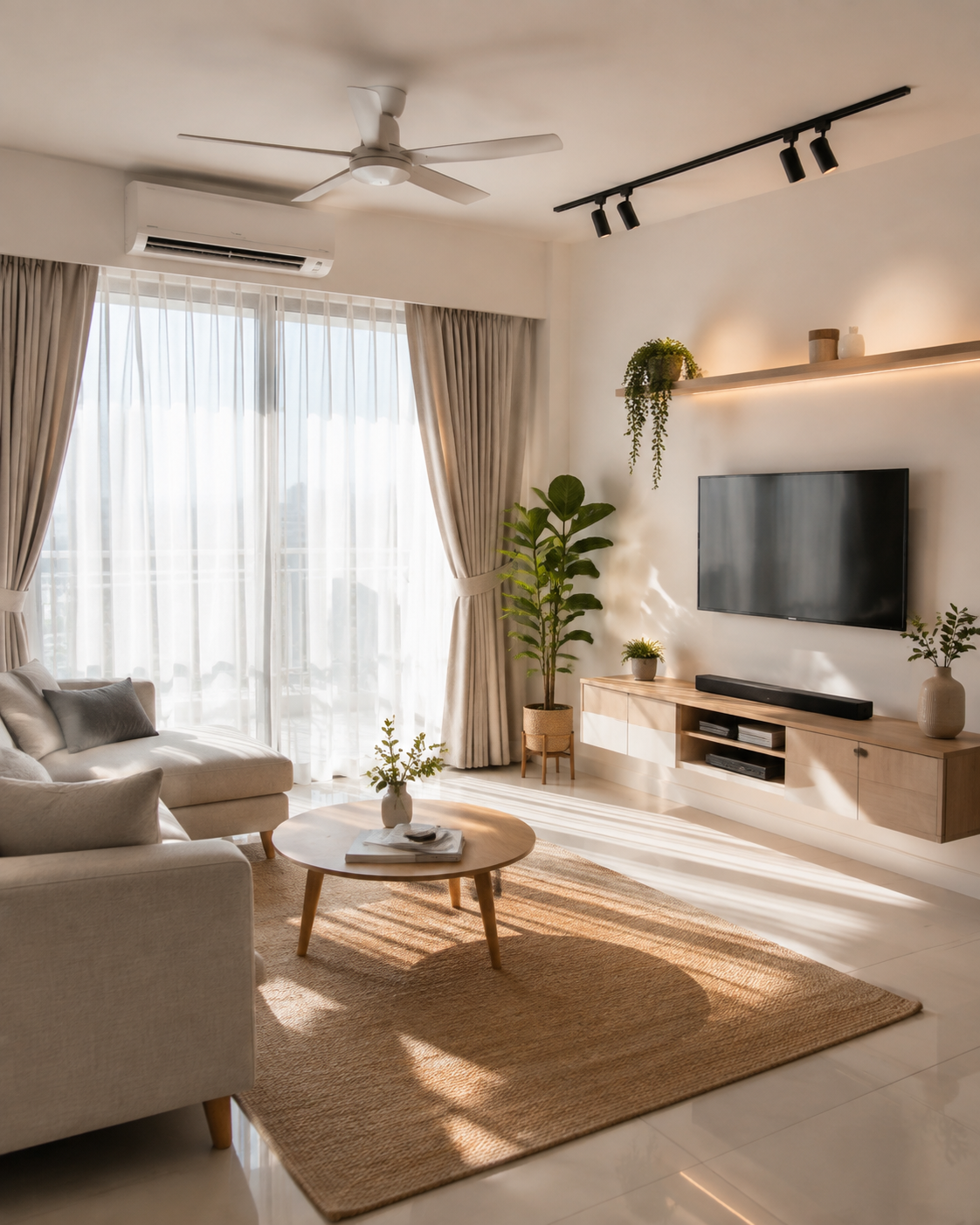
Who This Article Is Most Relevant For
First-time buyers, families, northern Kuala Lumpur owner-occupiers, MRT or KTM users and investors comparing mature urban areas.
Who Should Be More Careful
Buyers assuming all Kepong locations have equal transport, walkability, quietness, building quality or rental demand.
Practical Buyer Checklist
- Identify the exact Kepong micro-location.
- Walk the nearest useful MRT or KTM route.
- Check current operating timetables.
- Test weekday and weekend road access.
- Map five real weekly destinations.
- Review school and childcare journeys.
- Inspect noise, drainage, lighting and parking.
- Compare old and new housing alternatives.
- Calculate full monthly ownership cost.
- Review competing rental and resale supply conservatively.

Final Verdict
Verdict Label: Mature Northern Kuala Lumpur Choice, Requiring Micro-Location Discipline
Summary: Kepong offers transport options, established amenities and varied housing for different buyers. Its scale, congestion and uneven property quality mean that exact location and building selection are more important than the area name.
Buyer Takeaway: Choose a Kepong property only after verifying the station route, peak commute, daily amenities, building operation and competing supply.
Frequently Asked Questions
Is Kepong in Kuala Lumpur?
Kepong is a broad northern Kuala Lumpur area, though nearby locations and postal references can make exact boundaries feel less obvious. Verify the property’s official address.
Which MRT stations serve Kepong?
The Putrajaya Line includes Metro Prima, Kepong Baru and Jinjang in the wider Kepong corridor, with other nearby stations serving adjacent pockets.
Does Kepong also have KTM access?
Yes, KTM stations serve parts of the wider Kepong corridor, including Kepong and Kepong Sentral. Check the current timetable and exact route.
Is Kepong suitable for families?
It may be, especially when schools, childcare, healthcare, family support and work routes fit the selected neighbourhood.
Is Kepong good for first-time buyers?
It can offer relevant apartments and established surroundings, but affordability, maintenance, parking and unit suitability must be assessed together.
Is Kepong property a guaranteed investment?
No. Rental and resale performance depends on entry price, micro-location, unit type, management and competing supply.
Source Check
Sources & Verification
A dedicated review of trusted third-party coverage has not yet been completed for this article.
Source links are provided for verification. Time-sensitive prices, availability, packages and operational details should be reconfirmed against the latest written source.
NEED PERSONAL GUIDANCE?
Have questions about this property, area or buyer fit?
Get project information and buyer-focused guidance.



Disclaimer: This article provides general property-buying information and does not constitute legal, financial or loan advice. Laws and contractual arrangements may differ according to the property type, location and transaction. Buyers should obtain advice from qualified professionals based on the actual documents involved.